
Marina catalog
Our marina catalog is built from many trusted sources:
- State DNR and harbormaster registries.
- USACE navigation databases and NOAA chart data.
- Marina-published websites and dockmaster calls.
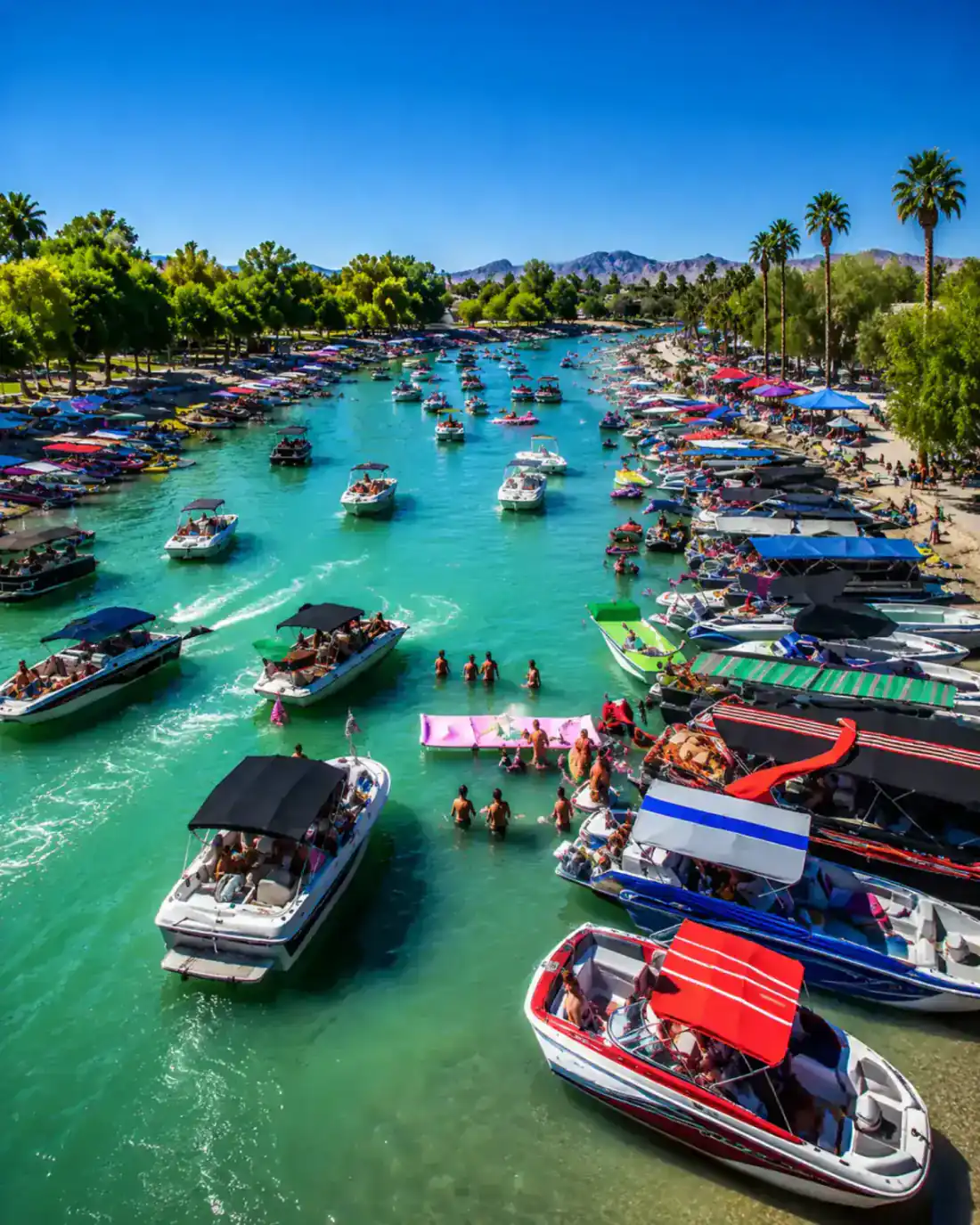
How marina, slip, depth, amenity, and pricing data is collected, structured, and verified.
Our marina catalog is built from many trusted sources:
Each marina record stores key trip-planning facts:
Pricing reflects ranges seen across published rate sheets and dockmaster calls in the past 12 months. We publish ranges, not single prices, because:
We tag amenities from a standard internal taxonomy (fuel dock, pump-out, pool, laundry, restaurant, repair, 100A power, Wi-Fi, and more). A tag is only added when we confirm it from:
We publish controlling depth at mean lower low water (MLLW) when we can. If MLLW is not available, we show the marina's self-reported depth and label it. Always verify depth at low tide before you book.
Weather, wind, tide, and visibility on the site come from deterministic models tied to location. Use them for general planning only. They do not replace:
We refresh data on a clear schedule: