
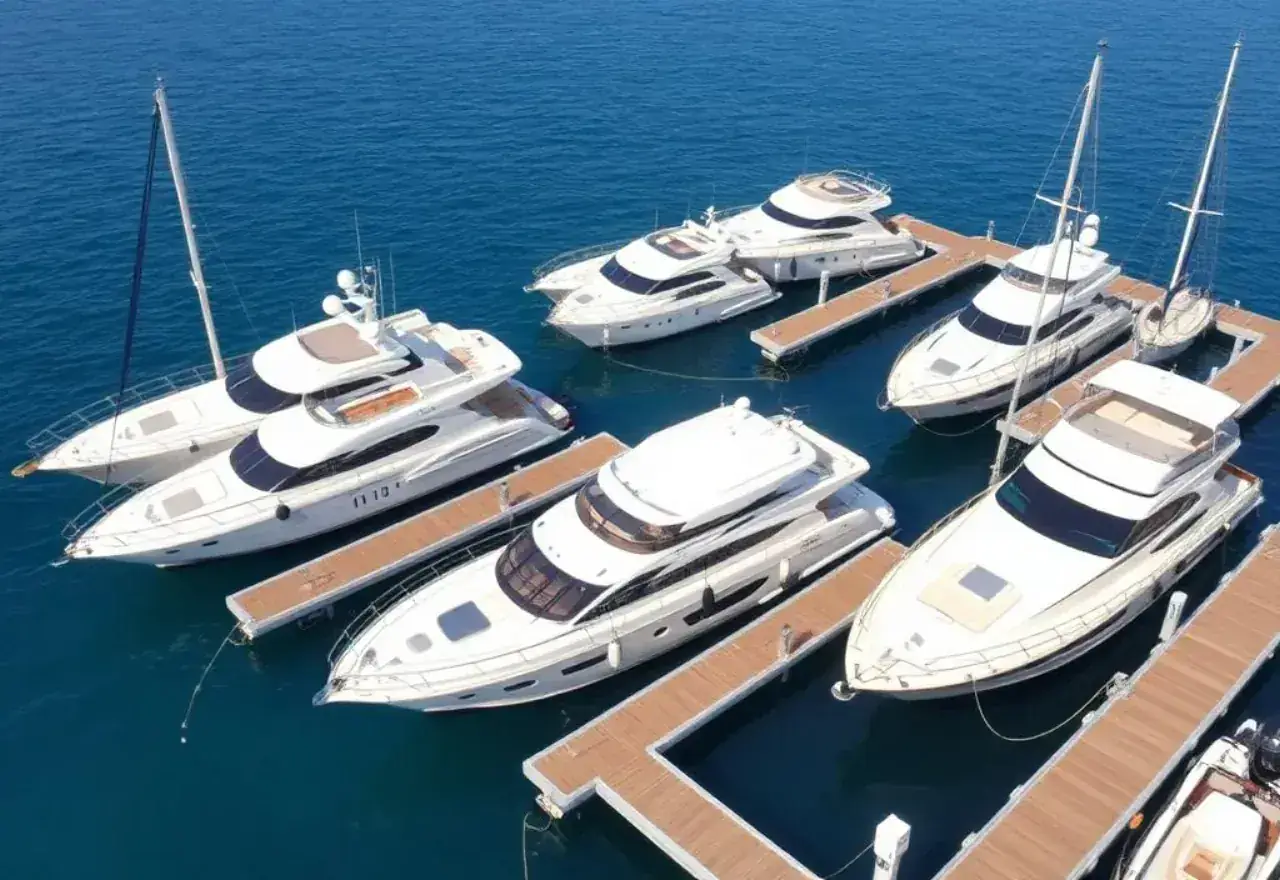
Snowbird marinas in Florida and the Gulf are organized around the annual migration of cruisers from the Northeast and Great Lakes — seasonal contracts, October–April pricing, and a tight transient community.
Florida fills with northern boats from late October through April. Snowbird-focused marinas — Stuart, Vero Beach, Marco Island, Marathon, Naples, Sarasota, St. Petersburg — offer 6-month seasonal contracts at 30–50% below the equivalent of 6 monthly bookings.
Expect mail handling, package receiving, on-site laundry, social events, and a culture that welcomes new arrivals every fall. Many marinas run snowbird welcome dinners and group cruises through the Keys or Bahamas.
Book early. The best snowbird slips at Vero Beach Municipal, Marathon City Marina, and Marco Island all fill 6–12 months ahead. Showing up in November without a reservation often means anchoring out or moving inland.
Who actually books snowbird marinas
Snowbird Marinas aren't for every boater — they exist for a specific use case: seasonal marinas catering to october–april migrating cruisers. Whether your boat belongs here is a question of LOA, beam, draft, power amperage, and how you plan to use the slip, not the marketing language on the marina's website.
The boaters who get the most value out of this category are usually northeast and great lakes snowbirds, seasonal cruisers, loopers wintering in florida, retired and semi-retired liveaboards. If your boat or routine doesn't match one of those profiles, a different category may save money or hassle.
How a booking actually goes
Start with the dockmaster, not the website. Send LOA including appendages, beam, draft, power requirement, arrival window, insurance limits, and whether anyone is sleeping aboard. A good dockmaster will tell you within minutes whether your boat fits the assigned slip.
Once you're cleared, expect proof of insurance, documentation or registration, payment on file, and a signed agreement before the slip is held. A verbal "we have room" is not the same as a confirmation number — get it in writing.
What the bill actually looks like
For snowbird marinas, the published number is rarely the final number. Plan around $2,400 – $7,200 / season for 40 ft (nov – apr) as a starting range, then ask for an all-in written quote separating base dockage, metered electric, taxes, pump-out, parking, deposits, and any liveaboard or resort fees. The same 40-foot boat can land $300–$800 apart at two marinas with the same per-foot rate, depending on how each one bills LOA, beam, and power.
Amenities, and which ones actually matter
On paper, snowbird marinas typically include 6-month seasonal contracts, mail and package handling, snowbird social calendar, laundry on-site, walk-to-provisions. In practice, two or three of those will make or break your experience: fuel availability if you cruise, pump-out access if you live aboard, 50A power if you run air conditioning, and reliable Wi-Fi if you work from the boat. Confirm the specific amenities you'll use weekly — the rest is mostly nice-to-have.
Pros and cons
Pros
- • Matches a clear way of using a boat, so the slip search gets shorter
- • Easier to compare apples-to-apples against similar marinas nearby
- • Amenities, rules, and dockmaster expectations are predictable
- • Pricing patterns are well understood, so quotes are easier to vet
Cons
- • Availability can be tight in season or in popular harbors
- • Headline rates often leave out power, tax, and resort fees
- • House rules vary widely from one operator to the next
- • The best slips often require deposits or sitting on a waitlist
How to avoid the obvious mistakes
The single most expensive mistake in this category is choosing by label. Two marinas can both call themselves "snowbird marinas" and operate on entirely different rules, fees, and storm plans. The agreement is what matters; the marketing is not.
Before signing, get in writing: assigned slip size, how LOA is measured, the all-in monthly total, the cancellation window, the storm plan, the liveaboard or guest rules, and the contractor-access policy. If any of those are vague, slow down — the next dockmaster down the coast might be more straightforward.
Best for
- • Northeast and Great Lakes snowbirds
- • Seasonal cruisers
- • Loopers wintering in Florida
- • Retired and semi-retired liveaboards