
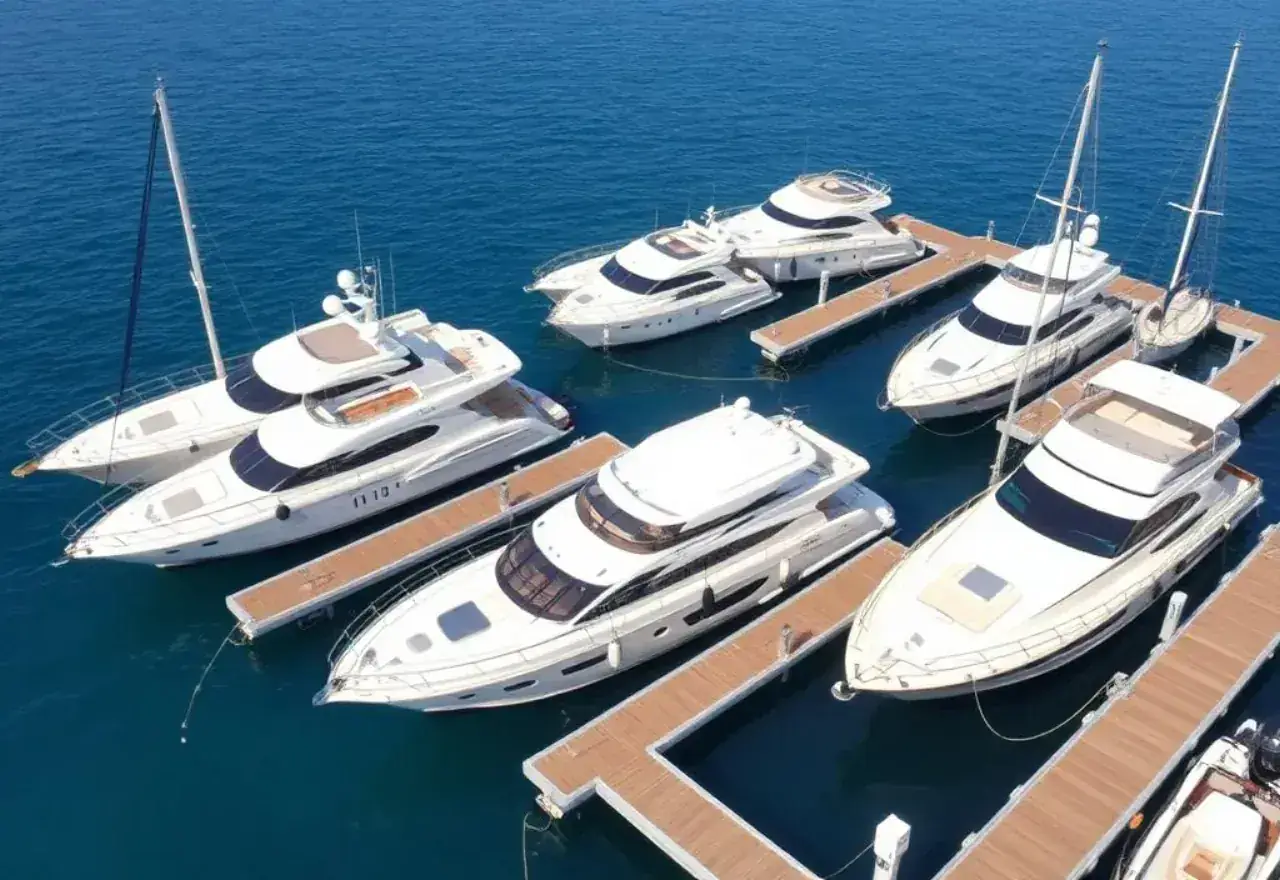
ICW marinas are the chain of stopover harbors that make the 1,090-mile Atlantic Intracoastal Waterway runnable for cruisers — fuel, transient slips, and shelter every 30–60 miles.
The ICW runs from Norfolk, VA to Key West, FL — the backbone of East Coast cruising. ICW marinas are spaced for a typical 50–70 nm cruising day: fuel by noon, slip by sunset. Strong examples include Coinjock (NC), Charleston City Marina, Brunswick Landing (GA), St. Augustine Municipal, and Stuart's Sunset Bay.
Bridge clearance matters everywhere on the ICW. The magic number is 65 ft fixed; anything taller routes offshore. Controlling depths shoal between dredge cycles — Lockwoods Folly and Shallotte inlets in NC are notorious. Cruisers run Waterway Guide and Active Captain for daily updates.
Transient rates run $2.50 – $5.50 per foot per night with electric extra. Most ICW marinas accept Dockwa reservations; smaller working harbors are call-ahead. Book peak migration weeks (October south, April north) two to six weeks ahead.
Is this the right category for your boat?
ICW Marinas fit a recognizable pattern: marinas along the atlantic intracoastal waterway from norfolk to key west. If your typical day on the water matches that description, this category is worth a serious look. If not, the rules and pricing structure can feel awkward.
A useful gut check: imagine your worst weekend at the marina — a late arrival, a power problem, a guest staying aboard, a storm watch. If the operating model in this category handles those cases gracefully for your boat, the fit is probably right.
The mechanics of holding a slip
Most marinas in this category run on a deposit plus contract model. Until both are returned, the slip isn't really yours, especially over a holiday weekend or in a market where waitlists are normal.
Ask explicitly what happens between "we have availability" and "your slip is confirmed." The boater who treats those phrases as the same thing is the one who arrives to find the slip gone.
Translating per-foot rate into real cost
Per-foot pricing — usually $2.50 – $5.50 / ft / night transient; $18 – $35 / ft / month for this category — is a useful shorthand, but it's not a quote. Two marinas at $30/ft can produce monthly totals $400 apart once you layer in slip-length billing, beam premiums, mandatory parking, taxes, and how each one treats shore power. Always ask for the all-in total for your specific boat, dates, and intended use.
Which amenities are worth paying for
Standard amenities here include fuel dock, pump-out, 30/50 amp power, showers and laundry, walk-to-town for provisions. The honest test for each one: would you pay extra for it on a separate line item? Pump-out, secure parking, and dependable Wi-Fi usually clear that bar. Resort amenities like pools and restaurants are valuable if you'll genuinely use them, but they often live inside a 5–15% mandatory fee — make sure that math works for you.
Pros and cons
Pros
- • Matches a clear way of using a boat, so the slip search gets shorter
- • Easier to compare apples-to-apples against similar marinas nearby
- • Amenities, rules, and dockmaster expectations are predictable
- • Pricing patterns are well understood, so quotes are easier to vet
Cons
- • Availability can be tight in season or in popular harbors
- • Headline rates often leave out power, tax, and resort fees
- • House rules vary widely from one operator to the next
- • The best slips often require deposits or sitting on a waitlist
Locking it in cleanly
Confirm the assigned slip number (not just "we'll find you something"), the metering method for shore power, the cancellation deadline, and the named-storm procedure. Marinas that handle those four questions confidently usually run a tight operation.
Before paying a deposit, re-read the contract for renewal rights, guest policies, and outside-contractor rules. If you plan to keep the boat here for more than a season, those clauses matter more than the first month's rent.
Best for
- • Loop and ICW cruisers
- • Snowbirds running north–south
- • Trawler owners
- • Cruising sailors with 65 ft air draft or less