
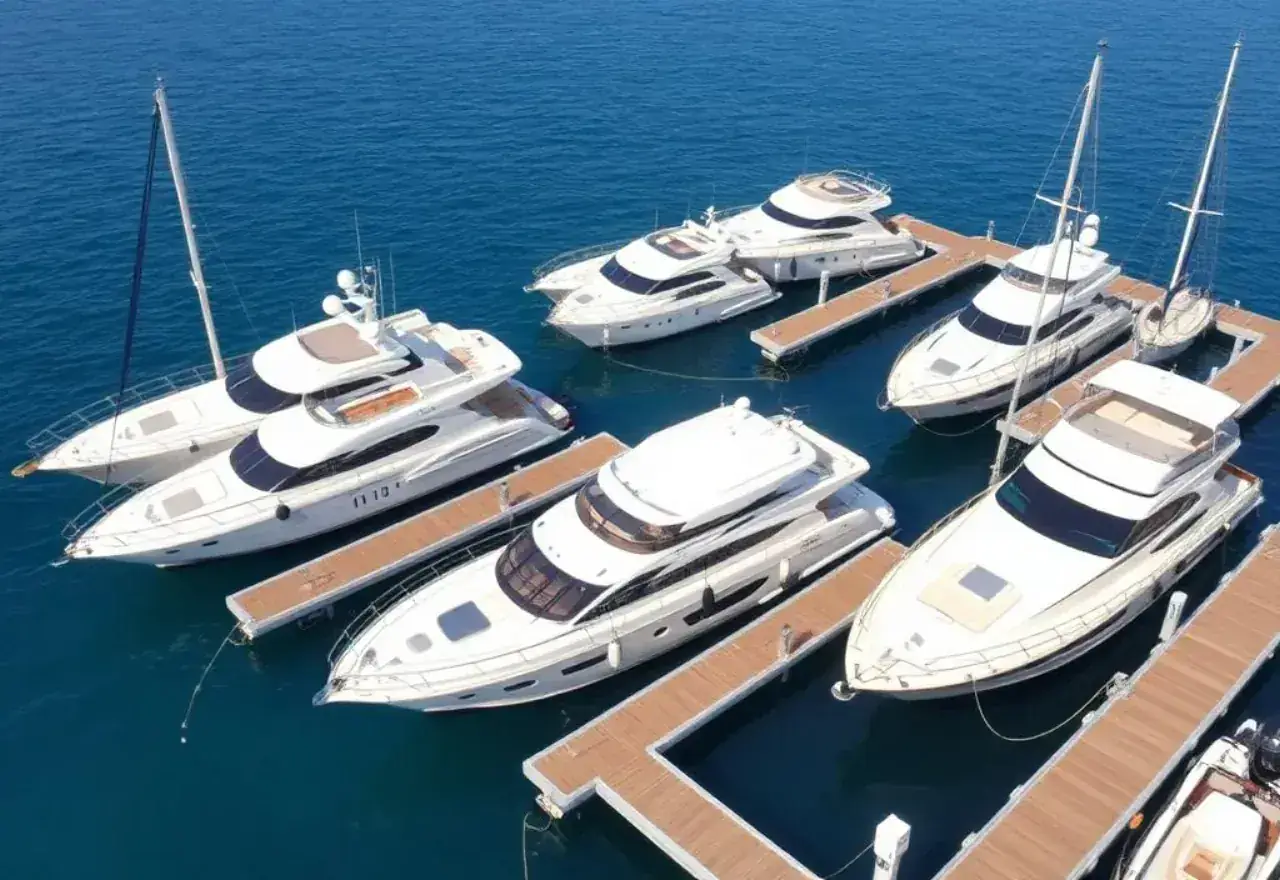
Hurricane-rated marinas are engineered and located to survive named storms — protected basins, floating concrete docks, tall pilings, and formal hurricane plans.
From June through November in the Atlantic and Gulf, hurricane risk shapes where you keep your boat. A 'hurricane hole' is a deep, narrow, well-protected basin shielded from open-water wind fetch. True hurricane-safe marinas combine that geography with infrastructure: floating concrete docks (not fixed wood), pilings tall enough to handle 10+ ft of surge, and tested storm tie-down plans.
Insurance carriers often discount premiums (or require) named hurricane-safe storage. Indiantown Marina (FL), Maximo Marina (St. Pete), Harbor Town Marina (Hilton Head), and several inland Florida options are widely recognized as storm refuges.
Most marinas in Florida and the Gulf will require you to evacuate, haul out, or move during a storm warning. Read your slip contract — many transfer responsibility to the owner once a warning is issued.
What this category really means
On a chart, a marina is just a basin with docks. In practice, hurricane safe marinas are organized around a deliberate operating model: marinas with hurricane plans, deep-water hurricane holes, and reinforced docks. That choice shapes the dock layout, the contracts, the staffing, and the kind of boater the marina is built for.
When the model and the boater match, the marina feels effortless. When they don't, even a beautiful harbor will feel like the wrong place to keep the boat.
From phone call to confirmed slip
The reservation process is usually faster than boaters expect when the request is complete. Marinas need to match your boat to a specific slip, not just check off availability, so they want exact dimensions and dates the first time you call.
Plan on insurance docs, ID, credit card on file, and the contract turning back in 24–48 hours. In peak season the slips that aren't held with a deposit can disappear overnight.
Where the dollars really go
Budget against 10 – 30% premium over standard dockage, but assume the per-foot rate is only the floor. The line items that move the total most are how the marina measures LOA (with or without bow pulpit, platform, davits), whether it charges a catamaran or beam multiplier, and how shore power is billed — metered pass-through is usually fair, flat power fees punish light users, and marked-up rates can quietly add $100–$300/month for an air-conditioned boat in summer.
What's included vs. what you'll actually use
Most hurricane safe marinas list a long amenity menu (floating concrete docks, 10 ft+ pilings, protected basin or hurricane hole, formal hurricane plan, on-site haul-out), but the ones that matter for daily life are usually a short list: power that matches your boat, hot showers within walking distance, secure parking if you commute to the boat, and clean restrooms. Anything beyond that is a tiebreaker, not a deal-maker.
Pros and cons
Pros
- • Matches a clear way of using a boat, so the slip search gets shorter
- • Easier to compare apples-to-apples against similar marinas nearby
- • Amenities, rules, and dockmaster expectations are predictable
- • Pricing patterns are well understood, so quotes are easier to vet
Cons
- • Availability can be tight in season or in popular harbors
- • Headline rates often leave out power, tax, and resort fees
- • House rules vary widely from one operator to the next
- • The best slips often require deposits or sitting on a waitlist
Watch-outs before you commit
Most disputes in this category trace back to three things: how LOA was measured, how shore power was billed, and what the storm plan actually requires. Ask about all three on the same call, in plain language, and get the answers in writing.
A useful habit is to hold a backup option until the primary marina's contract is fully executed. Slips that "should be confirmed any day" have a way of disappearing the moment another boat shows up with a deposit.
Best for
- • Year-round Florida and Gulf boats
- • Insurance-required protected storage
- • Owners who don't plan to evacuate